

Several companies offer aluminium-based solutions for flexible packaging, as it represents one of the most advanced options available today for protecting, preserving and enhancing products across numerous industrial sectors, particularly within the food industry. By combining technologically advanced materials with high-precision manufacturing processes, flexible packaging enables businesses to achieve excellent barrier performance, weight reduction and optimised logistics costs.
In this context, thin aluminium plays a central role. Companies involved in the conversion and production of flexible packaging choose treated aluminium foils and laminates to create reliable, safe solutions that comply with international food-contact regulations.
What is flexible packaging and why it is strategic for companies
Flexible packaging refers to all packaging solutions made from deformable materials that can adapt to the shape of the contents, such as films, laminates and thin foils. Unlike rigid packaging, these materials help reduce overall volume while improving transport and storage efficiency.
Businesses choose flexible packaging because it offers an optimal balance between protection, lightweight performance and versatility. This approach is particularly widespread in the food sector, where preserving organoleptic properties and ensuring product safety throughout the supply chain is essential.
The use of flexible aluminium for packaging also enhances the technical performance of packaging systems, providing an effective barrier against oxygen, light, moisture and external contaminants.
Flexible materials: examples and technical characteristics
Materials used in the production of flexible packaging include a range of solutions, often combined to achieve specific functional properties. The main flexible materials used by companies include:
- thin aluminium foil for food and industrial packaging
- aluminium-plastic or aluminium-paper laminates
- high-performance technical plastic films
- multilayer structures with advanced barrier properties
- lacquered, printed or embossed aluminium for specialised applications
Among these, aluminium stands out as one of the most high-performing materials due to its ability to provide complete protection and extended product shelf life. In addition, it is fully recyclable and supports the development of sustainable packaging solutions for businesses.
Flexible packaging for food: the role of thin aluminium
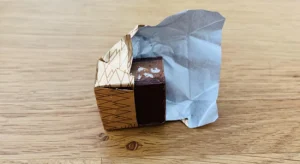 In the food sector, flexible packaging must meet extremely strict requirements in terms of safety, hygiene and barrier performance. Thin aluminium used in flexible laminates helps preserve aroma, freshness and product quality while reducing the risk of contamination.
Solutions developed by IPS Industrial Packaging Solution include aluminium foils treated through lacquering, laminating and printing processes designed to ensure high quality standards. These materials are used in applications such as food packaging, blister packs, capsules, closures and high-protection packaging systems.
Thanks to advanced surface treatments, aluminium can be tailored to the requirements of different industrial conversion processes, ensuring production continuity and consistent performance.
Flexible packaging production: processes and technologies
The production of aluminium flexible packaging requires specialised technologies and strict control of manufacturing parameters. Aluminium foils undergo transformation cycles that include surface treatments, application of primers and technical coatings, lamination with other materials, and functional and aesthetic finishing.
These processes make it possible to obtain materials ready for conversion into final packaging, with precise and repeatable technical characteristics. The quality of the aluminium substrate and the applied treatments plays a decisive role in ensuring packaging reliability.
For companies producing flexible packaging, working with specialised suppliers ensures access to semi-finished materials designed to optimise performance and simplify manufacturing processes.
Flexible packaging companies: competitive advantages and sustainability
Adopting aluminium flexible packaging solutions provides tangible benefits for companies operating in the food, pharmaceutical and industrial sectors. Key advantages include reduced packaging weight, improved logistics efficiency, enhanced product protection and the ability to develop customised solutions.
From an environmental perspective, aluminium is a strategic choice thanks to its recyclability and its ability to retain its properties even after multiple reuse cycles. This supports more sustainable production models and compliance with environmental regulations.
IPS Industrial Packaging Solution, drawing on the expertise of the Laminazione Sottile Group, supplies treated thin aluminium foils for the flexible packaging sector, supporting companies in developing reliable, high-performance solutions that meet the most demanding standards.
For further information, please don’t hesitate to contact us.
Related Posts

Aluminium in pharmaceutical packaging
Aluminium is used in pharmaceutical packaging thanks to its special properties. This material creates a barrier to protect product from contaminations…

Custom food packaging
Nowadays customers prefer products that capture their attention thanks to a captivating and communicative packaging. This is very common in…

Confectionery Packaging Design
Grabbing shoppers’ attention is key to sales success in the highly-competitive confectionery market. This means all confectionery packaging manufacturers need…